Renewable energy
New Zealand has a high percentage of renewable energy sources, particularly hydroelectric, wind, and geothermal power. This abundance of clean energy makes it possible to run data centres sustainably and at a lower cost.

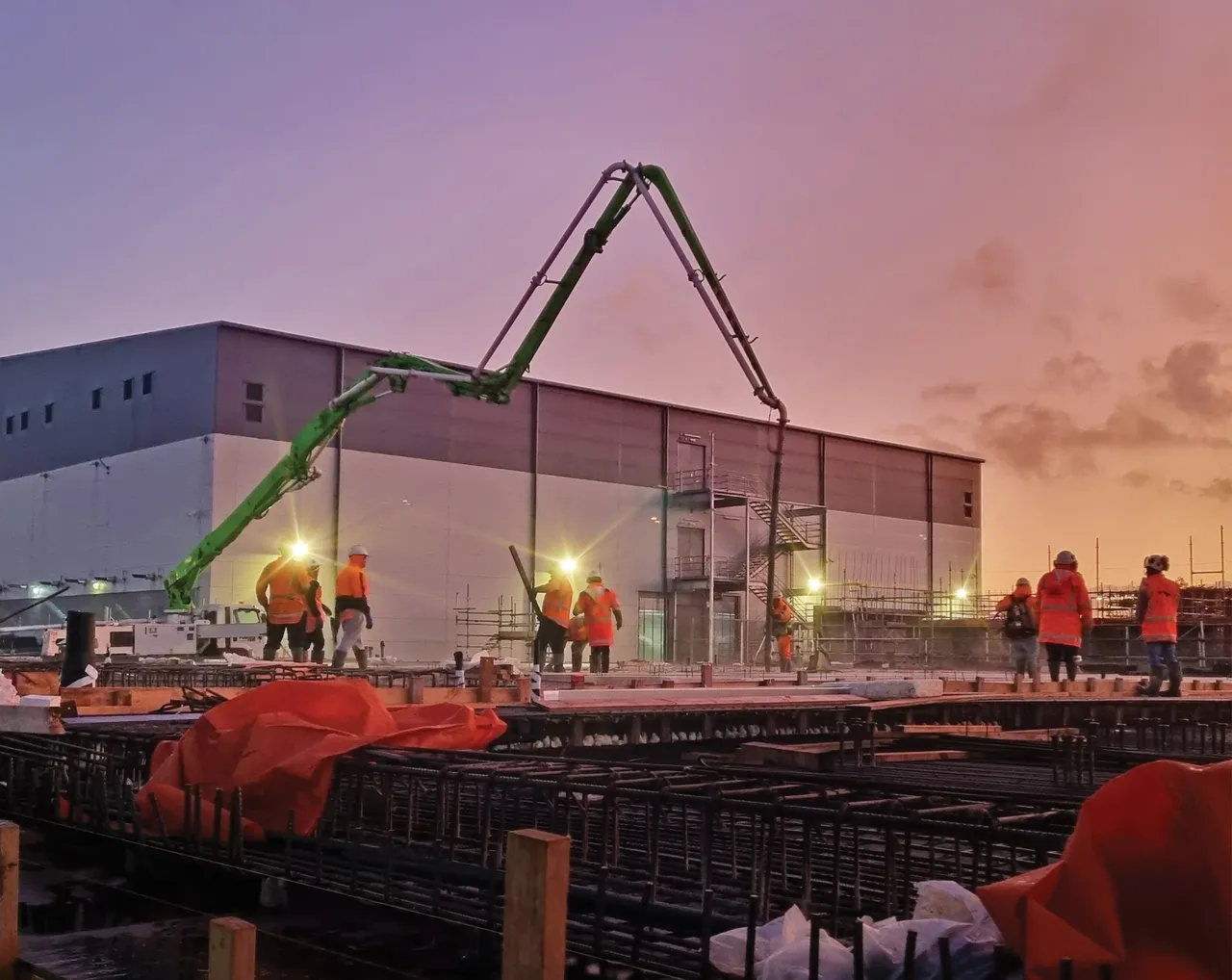
New Zealand’s data centre capacity has tripled in five years, and demand is still accelerating. It is estimated domestic demand alone could add around 300MW by 2035, driven by cloud migration and AI. That’s more than double the roughly 125MW operating today, so operators need partners who can deliver fast and to exacting standards. We’ve proven it at Takanini, where we designed and built an 8MW data centre at over 5000m². As design and construct specialists, we take projects from concept to commissioning under one accountable team.
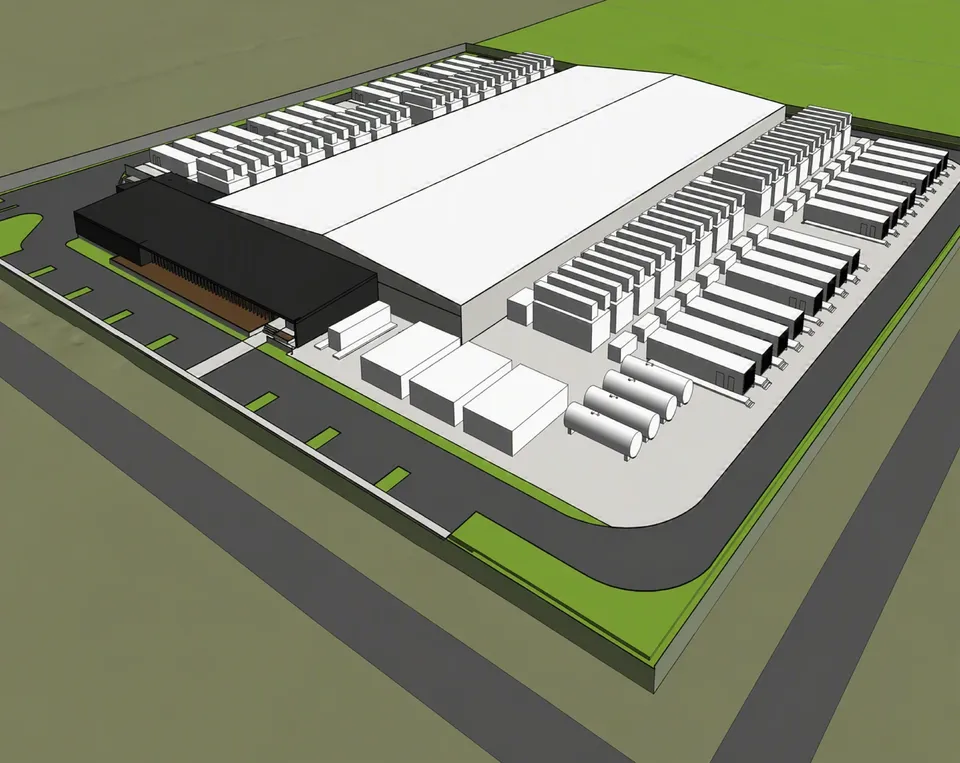
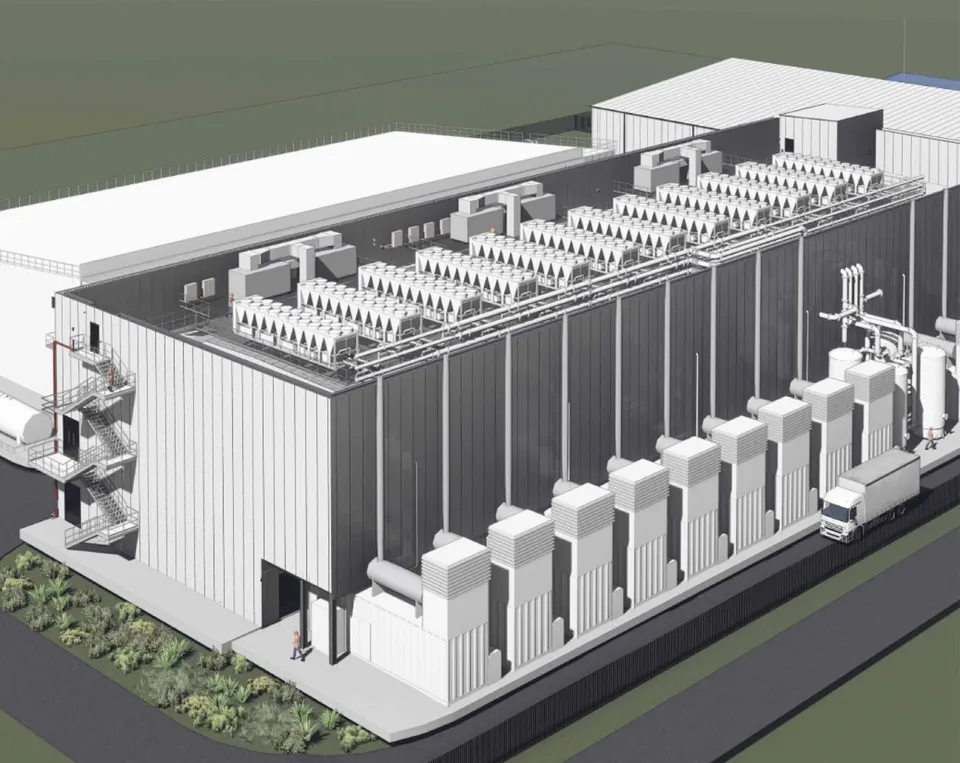
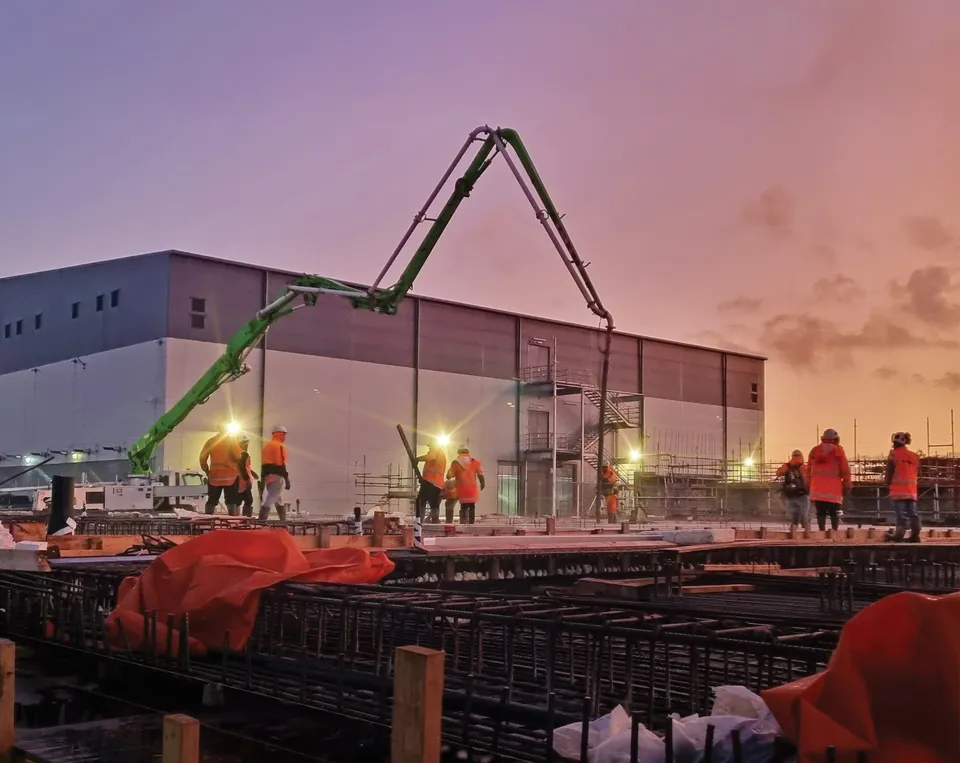
New Zealand’s data centre capacity has tripled in five years, and demand is still accelerating. It is estimated domestic demand alone could add around 300MW by 2035, driven by cloud migration and AI. That’s more than double the roughly 125MW operating today, so operators need partners who can deliver fast and to exacting standards. We’ve proven it at Takanini, where we designed and built an 8MW data centre at over 5000m². As design and construct specialists, we take projects from concept to commissioning under one accountable team.
New Zealand has a high percentage of renewable energy sources, particularly hydroelectric, wind, and geothermal power. This abundance of clean energy makes it possible to run data centres sustainably and at a lower cost.
The temperate climate reduces the need for artificial cooling, which is a significant cost factor for data centres. Lower cooling requirements lead to energy savings and a smaller carbon footprint.
New Zealand’s geographic location offers a strategic advantage for serving the Asia-Pacific region. New Zealand can serve as a key connectivity hub between Australia, Asia, and the Americas.

Design and construction of an 8MW 5,000m² data centre which comprises a high-density IT environment. The single level building was structured using a 500T cladded structural steel frame.
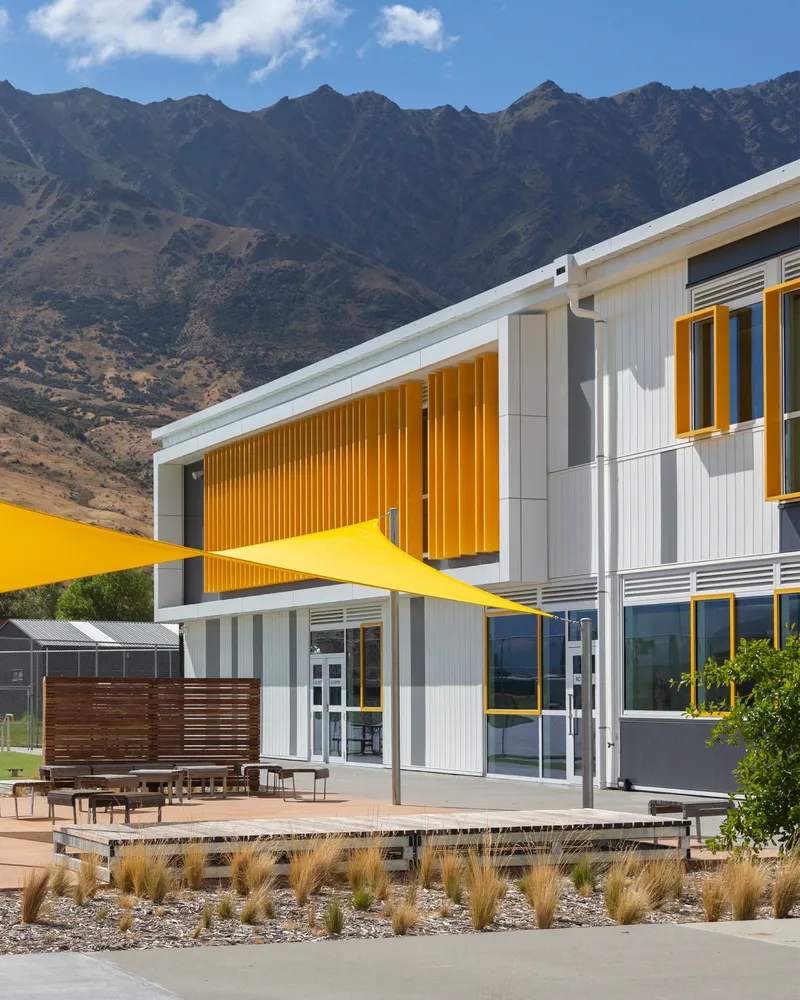 Education & Institutional
Completed
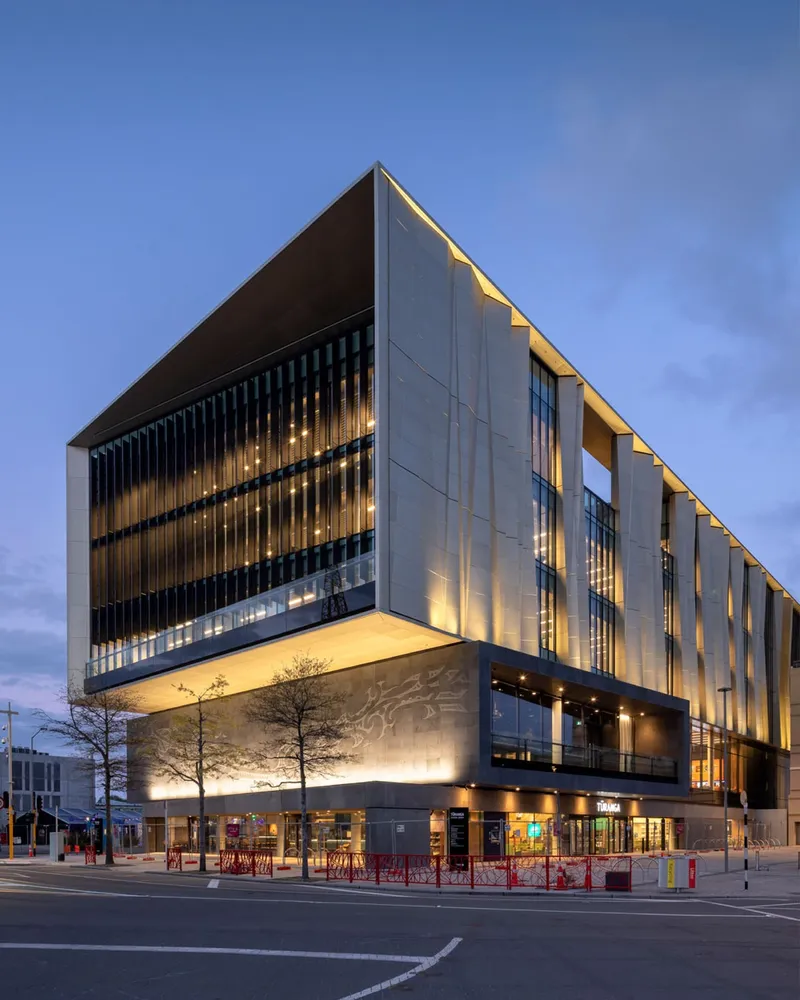 Civic & Community
Completed
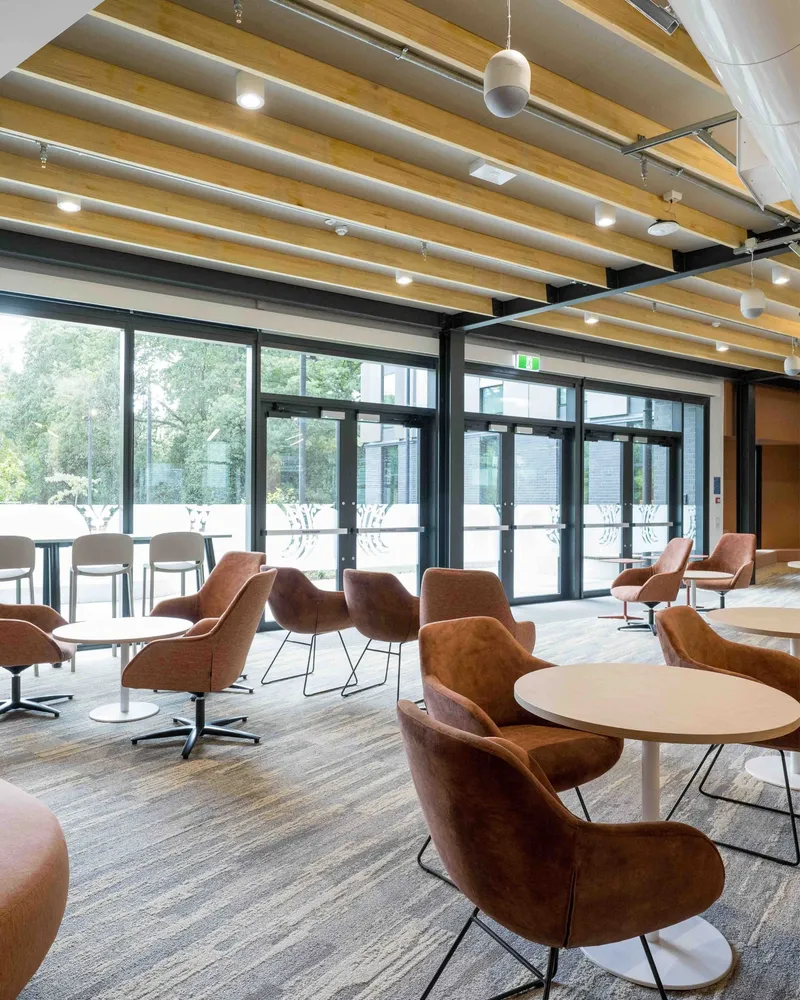 Accommodation
Completed